Wisdom Tooth Removal

  • Home
  • Wisdom Tooth Removal
Shape1
Shape2
Painless Wisdom Tooth Extraction

They're Called Wisdom Teeth — Keeping Them Isn't Always Wise

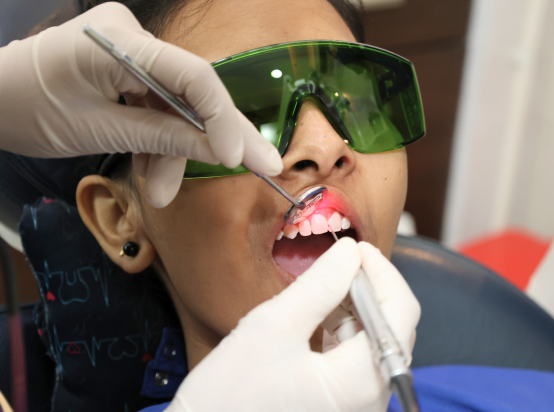
Wisdom teeth — your third molars — usually arrive between ages 17 and 25, and often there's simply no room left for them. When they erupt at awkward angles or stay trapped beneath the gums, they become impacted: causing pain, swelling, repeated infections, and pressure on the teeth around them. Wisdom tooth removal in Surat at Summirow Dental Hospital handles everything from simple extractions to complex surgical disimpactions — performed by experienced oral surgeons, guided by in-house CBCT imaging, and designed around one promise: a comfortable procedure and a faster, smoother recovery.

  • Simple Extractions
  • Surgical Disimpactions
  • Impacted Wisdom Tooth Care
  • Local Anaesthesia or Sedation
  • In-House CBCT Imaging
  • Weekend Appointments Available

Make An Appointment

    image
    Not Every Wisdom Tooth Needs To Go

    Do You Need Your Wisdom Tooth Removed?

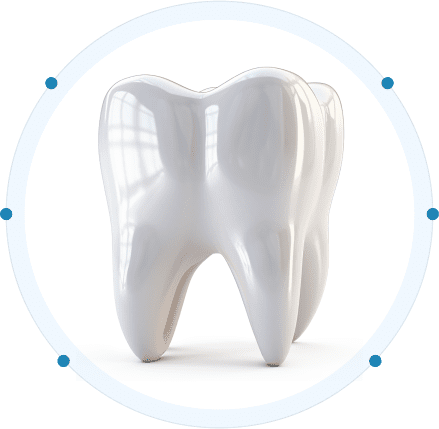
    Here's the honest answer most clinics won't lead with: if your wisdom teeth are healthy, fully erupted, and not crowding their neighbours, they can often stay right where they are. Removal is recommended when a wisdom tooth is actively causing — or silently building toward — trouble. Book an evaluation if you notice:
    • Pain or pressure at the back of your jaw
    • Swelling, redness, or tenderness around the gums
    • Repeated infections or abscesses in the same spot
    • Persistent bad breath or a foul taste
    • Headaches or jaw stiffness
    What To Expect On The Day

    The Treatment, Step by Step

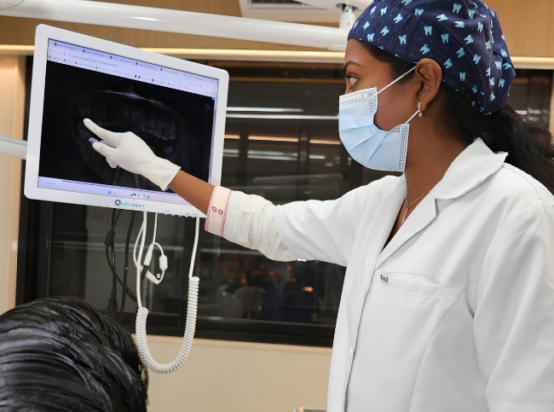
    Examination & CBCT Imaging

    We evaluate the tooth's exact position, angle, and its relationship to nerves and neighbouring teeth — so there are no surprises mid-procedure.

    Anaesthesia & Comfort First

    Local anaesthesia — with sedation available for anxious patients — ensures you feel pressure at most, never pain.

    Careful, Precise Removal

    Simple teeth are extracted gently; impacted teeth may need a small gum incision or sectioning into pieces — techniques that make removal easier on you, not harder.

    Cleaning, Sutures & Aftercare

    The site is cleaned, stitched if needed, and you leave with gauze in place plus clear, written aftercare instructions.

    Why Choose Us

    Why Patients Choose Summirow for Wisdom Tooth Removal

    Oral & Maxillofacial Surgeons In-House

    From routine extractions to complex disimpactions, specialist surgeons handle every case under one roof — no referrals, no travel.

    Genuinely Painless

    Local anaesthesia or sedation, gentle technique, and a team that treats dental anxiety as seriously as the tooth itself.

    CBCT-Guided Precision

    In-house 3D imaging maps nerves and roots before we begin — the difference between guessing and knowing.

    Hospital-Grade Safety

    Strict surgical protocols and hospital-grade sterilization at every step — because an extraction is still a surgery, and we treat it like one.

    Image Gallery

    Choose Wisely, See the Difference

    Before After Before After
    Our Services

    We Offer Comprehensive Care for Every Stage Of Your Journey

    Make An Appointment

      GOOGLE REVIEWS

      What Families Say About Us

      Wisdom Tooth FAQS

      Your Questions, Answered by Our Specialists

      Do all wisdom teeth need to be removed?

      No — and we'll tell you honestly if yours don't. Wisdom teeth that are healthy, fully erupted, positioned correctly, and cleanable can stay. Removal is recommended when a tooth is impacted, infected, damaging its neighbours, or repeatedly causing pain — an X-ray evaluation settles the question definitively.

      Is wisdom tooth removal painful?

      The procedure itself isn't — your mouth is fully numbed with local anaesthesia, and sedation is available if you're anxious. You'll feel pressure, not pain. Afterwards, expect manageable soreness for a few days, well controlled with prescribed medication and ice packs.

      How long does recovery take?

      Most patients feel largely normal within three to five days, with initial healing complete in about one to two weeks. Following the aftercare instructions — soft foods, gentle rinsing, no straws or smoking — is what keeps recovery smooth and fast.

      What does ‘impacted’ mean, and is my surgery more complicated?

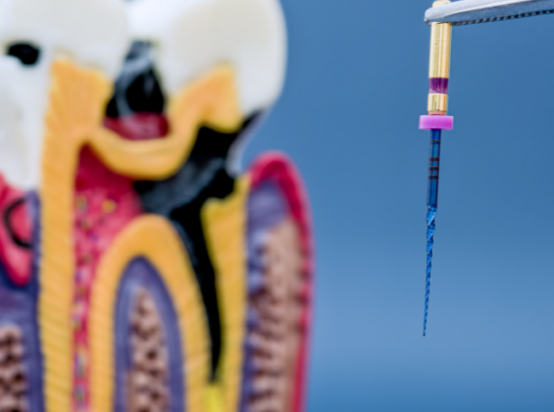
      An impacted wisdom tooth is one that couldn't erupt properly — it's trapped under the gum or angled into the neighbouring tooth. Removing it may involve a small gum incision or dividing the tooth into sections for easier removal. It sounds dramatic, but for an experienced oral surgeon it's routine — and for you, it feels no different under anaesthesia.

      What can I eat after the extraction?

      Stick to soft, cool foods for the first couple of days — curd, khichdi, smoothies, soups, mashed foods — and avoid anything hot, spicy, crunchy, or requiring a straw. We provide a simple day-by-day eating and care guide before you leave.

      What happens if I just ignore my wisdom tooth pain?

      Problematic wisdom teeth rarely resolve on their own. Left alone, they can lead to recurring infections, decay in the neighbouring molar, gum disease, and in some cases cysts that damage the jawbone. Early evaluation and timely removal are far simpler — and cheaper — than treating the complications later.

      How much does wisdom tooth removal cost in Surat?

      The cost depends mainly on complexity — a simple extraction of an erupted tooth costs less than the surgical removal of a deeply impacted one. After your examination and X-ray, we tell you exactly which category your tooth falls into and share a transparent cost before proceeding.