Pediatric Orthodontics

  • Home
  • Pediatric Orthodontics
Shape1
Shape2
Early Orthodontic Care For Kids

Guide the Growth Now, Skip the Struggles Later

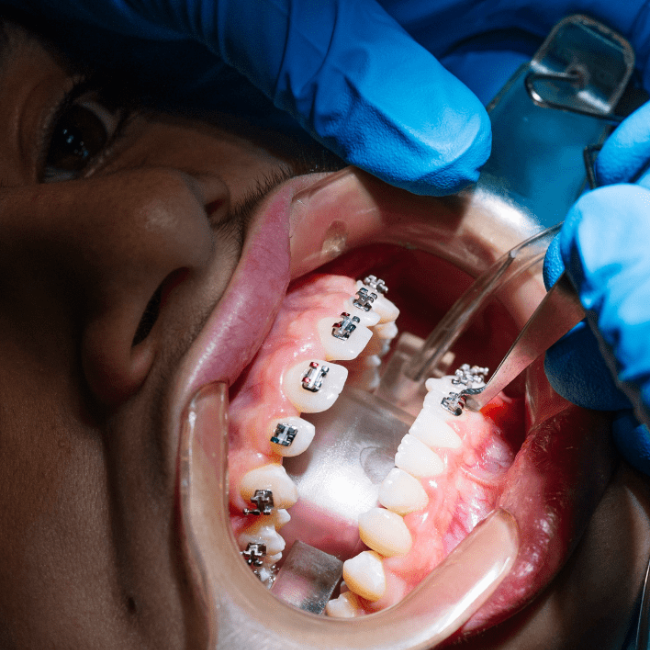
A child's jaw is still growing — and that's precisely the opportunity. While bones are flexible, mild crowding, bite imbalance, and habits like thumb-sucking or mouth breathing can be gently guided back on course, often without braces at all. Pediatric orthodontics in Surat at Summirow Dental Hospital pairs pediatric dentists with orthodontic specialists in one warm, kid-friendly clinic — watching, guiding, and intervening only when it truly helps, so your child grows into a healthy bite and a confident smile naturally.

  • Myofunctional Appliances
  • Invisalign First (Ages 6–10)
  • Habit-Correction Appliances
  • Space Maintainers
  • Growth & Bite Monitoring
  • First Evaluations from Age 6–7

Make An Appointment

    image
    Small Signs, Big Signals

    When Should Your Child See a Pediatric Orthodontist?

    Early orthodontic care doesn't always mean treatment — sometimes it simply means watching a growing smile with an expert eye. But some signs deserve an evaluation sooner rather than later, because what looks harmless at six can become a complex correction at sixteen. Book an evaluation if your child shows any of the following:
    • Baby teeth lost noticeably early — or unusually late
    • Difficulty chewing or biting food
    • Mouth breathing or frequent snoring
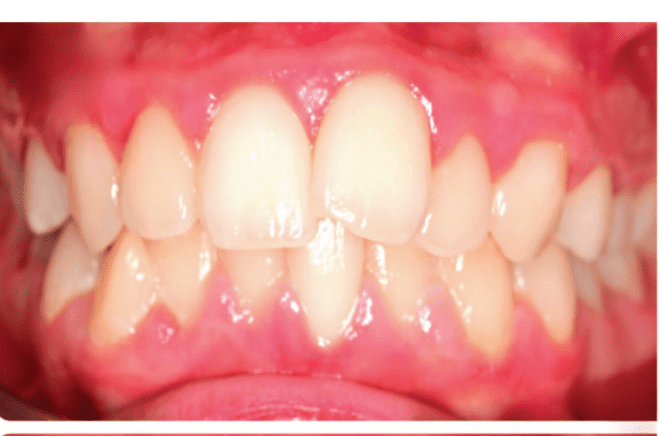
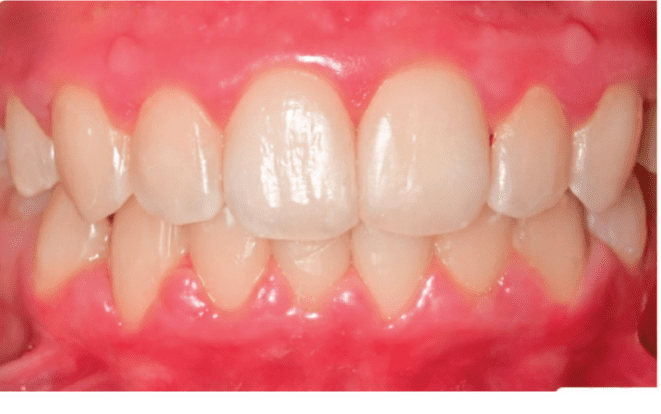
    • Front teeth that protrude or sit forward
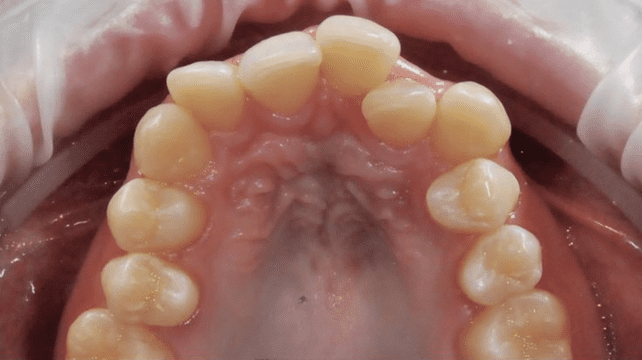
    • Crowded, rotated, or misplaced teeth
    • Thumb-sucking continuing beyond age five
    • Jaw shifting, clicking, or visible imbalance
    Gentle Tools For Growing Smiles

    Pediatric Orthodontic Treatments We Provide

    Myofunctional Appliances

    Removable devices that guide jaw growth, train muscle function, and correct patterns like tongue thrusting and mouth breathing — ideal for young, growing children.

    Invisalign First (Ages 6–10)

    Clear, removable aligners designed specifically for children — gently guiding tooth alignment and arch development with no wires, no brackets, and no self-consciousness.

    Habit-Correction Appliances

    Custom, gentle appliances that help children let go of thumb-sucking, lip biting, and similar habits before they reshape the bite permanently.

    Space Maintainers

    When a baby tooth is lost early, this small appliance holds the space open so the permanent tooth erupts exactly where it should — classic interceptive care.

    Why Choose Us

    Why Parents Trust Summirow With Growing Smiles

    The Early-Intervention Advantage

    Guiding growth while bones are flexible prevents small issues from hardening into complex, expensive corrections in the teen years.

    Treatment Only When It Truly Helps

    Some children need appliances; many just need monitoring. We tell you honestly which one your child is — no over-treatment, ever.

    Confidence During the Years That Count

    A straighter smile through childhood and early school years does quiet, powerful work for a child's self-esteem.

    Function, Not Just Looks

    Better chewing, clearer speech development, and protection from uneven wear and injury — the benefits go far beyond the photo smile.

    The Age-7 Check-Up

    One Visit at Age 7 Can Change Everything

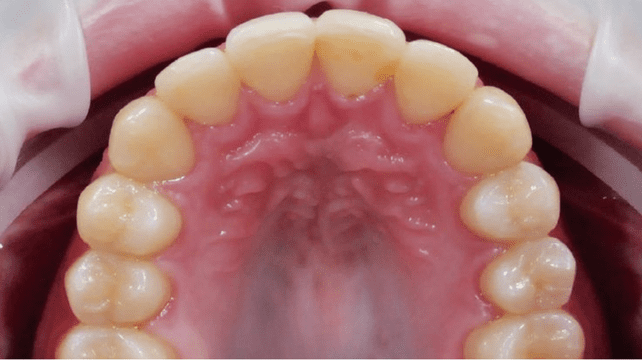
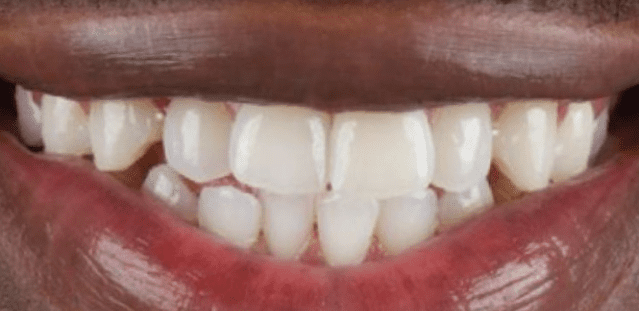
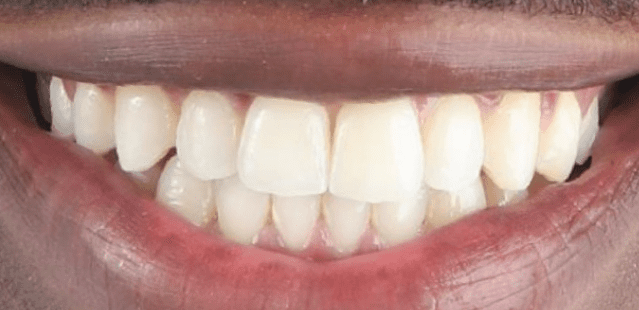
    Before After Before After
    Before After Before After
    Before After Before After
    Our Services

    We Offer Comprehensive Care for Every Stage Of Your Journey

    Make An Appointment

      GOOGLE REVIEWS

      What Families Say About Us

      Kids Orthodontics FAQS

      Your Questions, Answered by Our Pediatric Team

      What's the ideal age for a first orthodontic visit?

      Around ages 6 to 7 — when the first permanent teeth arrive and jaw growth patterns become readable. That doesn't mean treatment starts then; it means a specialist can catch developing issues years before they're visible, when guiding them is easiest.

      Does every child need early orthodontic treatment?

      No — and we'll tell you plainly when yours doesn't. Many children simply need periodic monitoring while their smile develops naturally. Early appliances are recommended only when intervening now clearly prevents a bigger correction later. The evaluation is about information, not automatic treatment.

      If my child gets early treatment, will they still need braces later?

      Sometimes — but usually far less of them. Early guidance often reduces the severity, duration, and cost of any future orthodontic work, and in some children eliminates the need entirely. Think of it as clearing the road before the journey, not replacing the journey.

      Isn't my child too young for aligners? What is Invisalign First?

      Invisalign First is designed specifically for growing children aged roughly 6 to 10 — clear, removable aligners that guide tooth alignment and expand the dental arches while the jaw is still developing. No wires, no brackets, easy cleaning, and nothing for classmates to tease about. Suitability depends on your child's specific case, which the evaluation confirms.

      How do habit-correction appliances work? Will they hurt my child?

      They work as gentle reminders, not punishments — a small custom appliance simply makes the habit (thumb-sucking, lip biting, tongue thrusting) less comfortable or automatic, so the child naturally lets it go. There's no pain involved, and most children adapt within days. Breaking the habit early protects the bite before permanent changes set in.

      My child breathes through the mouth and snores — is that really a dental issue?

      It can be, yes. Chronic mouth breathing often relates to how the jaws and airway are developing, and it can influence facial growth, bite alignment, and even sleep quality. Myofunctional appliances can help retrain breathing and muscle patterns — and where needed, we coordinate with your paediatrician or ENT for a complete picture.

      How much does pediatric orthodontic treatment cost in Surat?

      It varies widely with the approach — monitoring visits cost very little, habit appliances and myofunctional devices are modest, and aligner programs like Invisalign First are a larger investment. After your child's evaluation, we explain exactly what's recommended (and what isn't) with complete, transparent pricing — and remember: early guidance is consistently cheaper than late correction.