Root Canal Treatment

  • Home
  • Root Canal Treatment
Shape1
Shape2
Painless Endodontic Care

Don't Remove the Tooth — Revive It

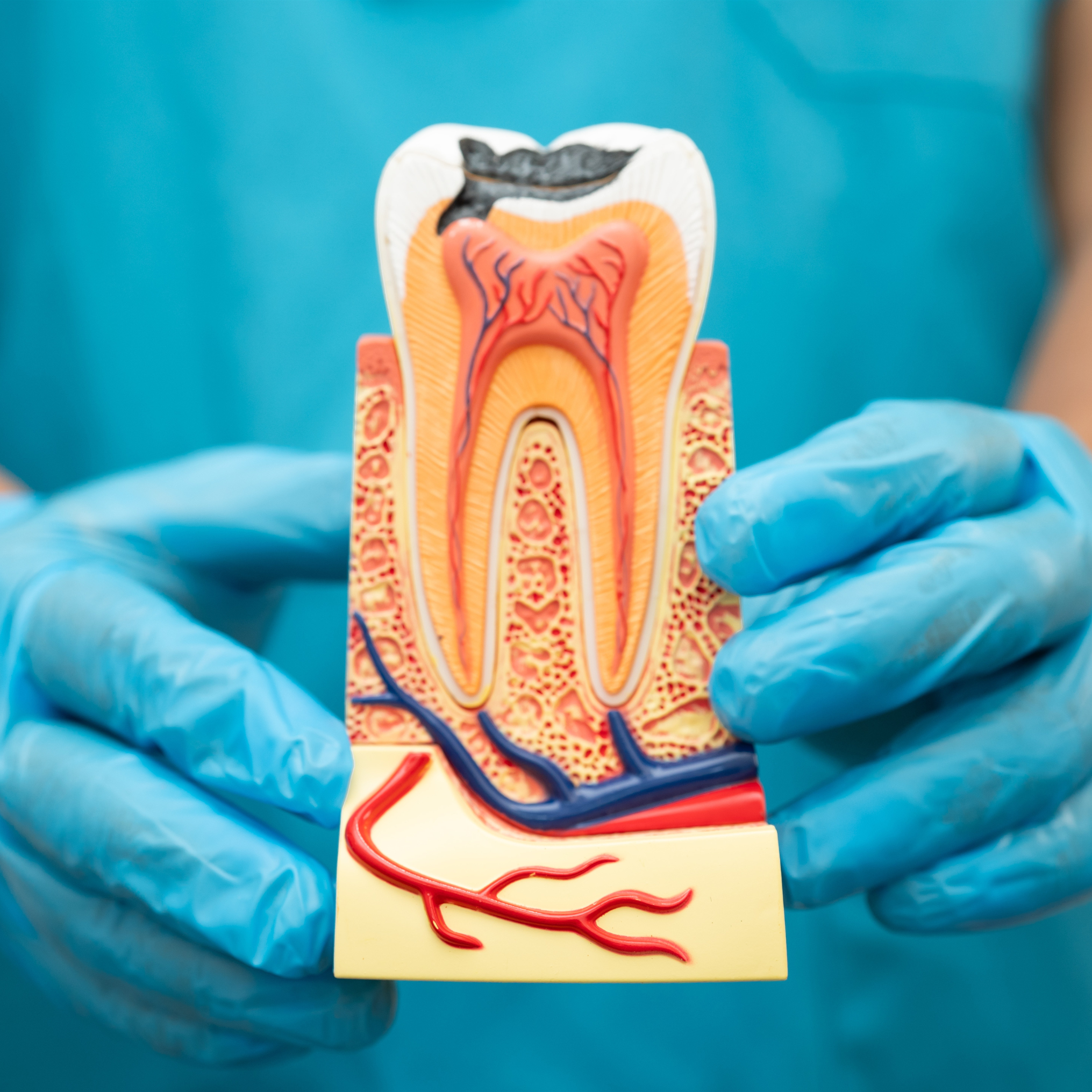
That sharp sting when something hot touches a tooth, or the jolt when you bite down, isn't a verdict — it's a warning. In most cases, that tooth doesn't need removing; it needs rescuing. Root canal treatment in Surat at Summirow Dental Hospital clears the infection from inside your tooth, ends the pain at its source, and keeps your natural tooth exactly where it belongs. With rotary endodontics, apex-locator precision, and single-sitting options for suitable cases, the treatment India loves to fear turns out to be the one that saves the most.

  • Single-Sitting RCT (Suitable Cases)
  • Rotary Endodontics & Apex Locator
  • Re-RCT for Failed Root Canals
  • Digital X-Ray Diagnosis
  • Sedation Available for Anxiety
  • Crown Protection Included in Planning

Make An Appointment

    image
    Know The Warning Signs

    When Is a Root Canal The Right Solution?

    Your tooth usually warns you long before the pain becomes unbearable. These signs mean infection or inflammation has reached the pulp inside the tooth — most often from decay, trauma, or ageing dental work:

    • Continuous or throbbing tooth pain
    • Sensitivity to hot or cold that lingers after the food is gone
    • Pain while biting or chewing
    • Swelling or tenderness in the gum near the tooth
    • A deep cavity, or a tooth that's darkening
    Four Paths, One Saved Tooth

    Root Canal Options We Provide

    Single-Sitting Root Canal

    For suitable, uncomplicated cases — diagnosis, cleaning, and sealing completed in one appointment. You arrive in pain and leave with the problem solved.

    Multi-Visit Root Canal

    When infection is severe or canals are complex, treatment is staged across visits — because a tooth worth saving is worth doing properly.

    Re-RCT (Retreatment)

    A previously treated tooth that's hurting again isn't a lost cause. Re-RCT reopens, re-cleans, and reseals the canals — often saving a tooth another clinic gave up on.

    Crown Protection

    A treated tooth becomes brittle without cover. A custom crown restores full strength, function, and appearance — completing the rescue, not adding to it.

    How We Work

    Our Root Canal Treatment Process

    Accurate Evaluation

    Digital X-rays and clinical examination map exactly how far the infection has travelled — before anything begins.

    Comfortable Access

    Local anaesthesia numbs the tooth completely, with sedation available if dental anxiety is part of your history.

    Secure Sealing of Canals

    Cleaned canals are sealed with biocompatible materials that lock out reinfection for the long term.

    Final Tooth Restoration

    A protective crown restores strength, function, and appearance — the step that makes the result last.

    Why Choose Us

    Why Saving the Tooth Beats Replacing It

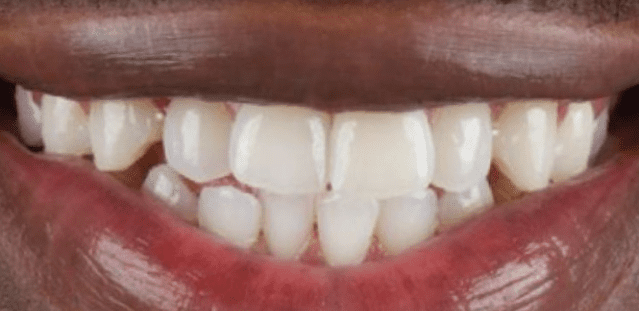
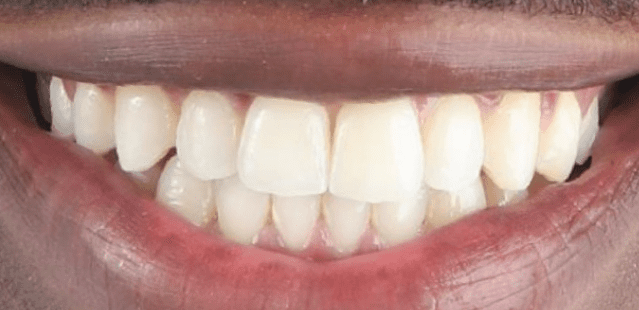
    Before After Before After
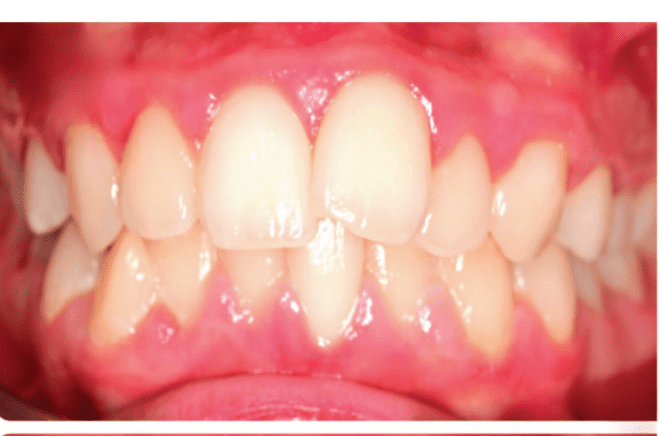
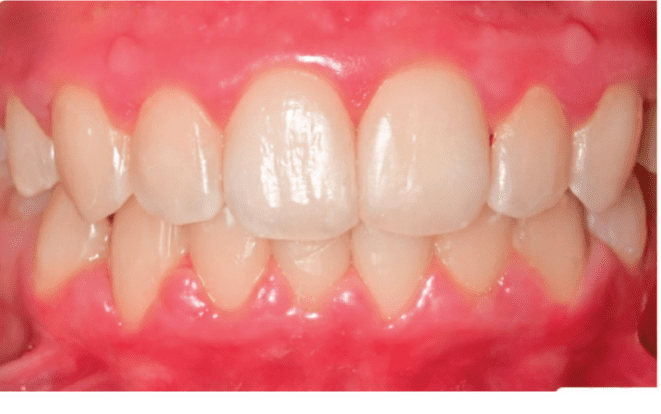
    Before After Before After
    Before After Before After
    Our Services

    We Offer Comprehensive Care for Every Stage Of Your Journey

    Make An Appointment

      GOOGLE REVIEWS

      What Families Say About Us

      Root Canal Faqs

      Your Questions, Answered by Our Specialists

      Is root canal treatment painful?

      This is the myth that costs people their teeth. The tooth is completely numbed before we begin — and remember, you arrived in pain caused by the infection. The root canal is what ends it. Most patients tell us afterwards that the treatment was easier than the toothache that brought them in. Mild soreness for a day or two is normal and easily managed.

      Can a root canal be completed in one visit?

      Yes — single-sitting root canal treatment is safe and effective for suitable, uncomplicated cases, and it's what most of our patients receive. Teeth with severe infection or complex canal anatomy do better across two visits. Your X-ray and examination decide honestly which category your tooth falls into.

      Is a crown always necessary after a root canal?

      In most cases, yes — and skipping it is the single most common reason treated teeth fail later. A root-canal-treated tooth becomes brittle; the crown shields it from fracture and restores full chewing strength. Think of the crown as the part that makes the root canal permanent, not an optional extra.

      My root canal was done elsewhere and it hurts again. Is the tooth finished?

      Usually not. Re-RCT (retreatment) reopens the tooth, removes the old filling material, re-cleans canals that were missed or reinfected, and reseals everything properly. Many teeth declared hopeless are saved this way. Bring any previous X-rays if you have them — they help us see what happened the first time.

      My tooth stopped hurting on its own. Do I still need the root canal?

      Almost certainly yes — and this is the most dangerous moment in the whole condition. Pain stopping often means the nerve has died, not that the infection has cleared. The bacteria are still there, quietly spreading toward the bone. Silence is not recovery; it's the infection moving to a stage where the tooth becomes much harder to save.

      How long does a root-canal-treated tooth last?

      With a proper crown and normal oral care, many treated teeth last decades — often a lifetime. It behaves like any other tooth: brush, floss, keep your check-ups. There is no expiry date stamped on a well-treated tooth.

      How much does a root canal cost in Surat?

      The cost depends on which tooth is involved (front teeth have fewer canals than molars), whether it's a single-sitting or multi-visit case, whether retreatment is needed, and the crown material you choose. It's consistently more economical than extraction followed by an implant. After your examination and X-ray, you receive a clear, itemized plan — treatment and crown together — before anything begins.